Staff Members

Prof. Kevin Lobb
Principal Investigator (Lead)
Professor Lobb specializes in modeling reaction mechanisms at large scales, utilizing advanced techniques to understand complex chemical processes. As an expert in NMR spectroscopy, he also focuses on the generation and development of compound libraries for drug discovery. His research has primarily concentrated on high-impact diseases, including SARS-CoV-2, HIV protease, and malaria, where he applies his expertise to design novel therapeutic strategies.
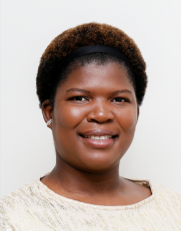
Dr. Tendamudzimu Tshiwawa
Principal Investigator (Co)
Dr. Tshiwawa specializes in drug discovery, drug delivery, and ethnochemistry. Her current research focuses on the potential of aptamers as therapeutics for various diseases, exploring their ability to selectively target specific biomolecules. She investigates how these molecules can be optimized for therapeutic use, studying their mechanisms of action, stability, and delivery methods to improve efficacy in treating a range of conditions. Through her work, Dr. Tshiwawa aims to develop innovative approaches to enhance the precision and effectiveness of modern therapies.
Post-doc

Dr Kabuyi Bilonda
Lab Manager
Dr Bilonda applies quantum mechanics and molecular dynamics methods to investigate inhibition of squalene monooxygenase (SM) by selected compounds. SM catalyses the conversion of squalene into 2,3(S)-oxidosqualene, a critical step in cholesterol biosynthesis. Its inhibition provides structural and energetic insights relevant to hypercholesterolemia therapy and cardiovascular disease prevention.
Supporting Staff
Kabelo Mokgopa
Software and ML Developer
Kabelo is a supporting staff member who serves as a software and machine learning developer. He is responsible for developing and maintaining websites, web services, and tools necessary to facilitate simulations, as well as managing the server to which he has access. In addition to his technical duties, Kabelo is also a PhD student, with research focused on developing novel machine learning algorithms for drug discovery and compound library generation.
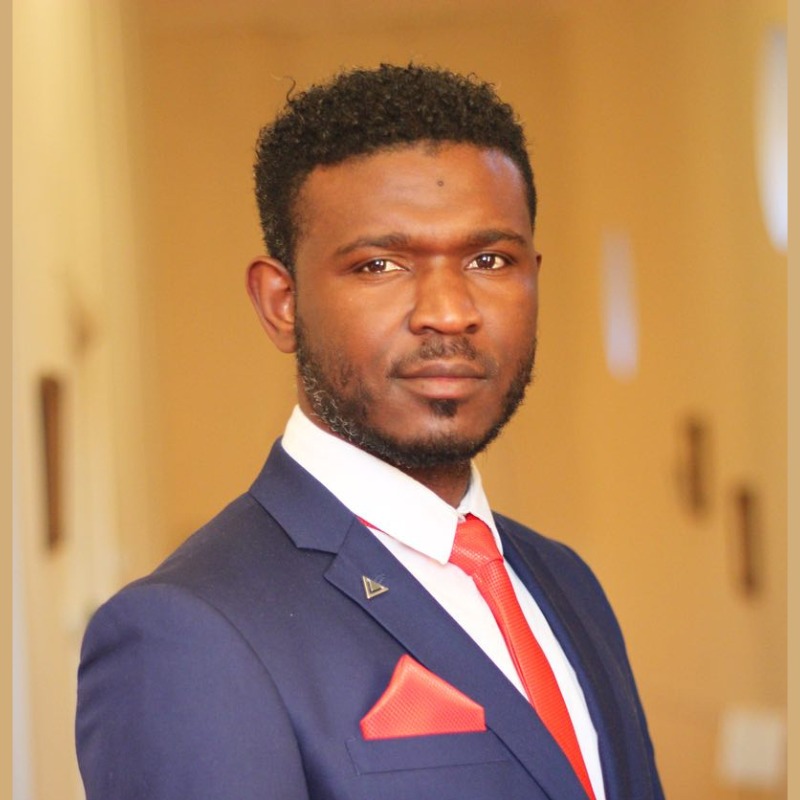
Washington Dendera
Lab Manager (PhD Candidate)
Washington Dendera is the lab manager responsible for running the lab and overseeing the instruments within it. He is also in charge of organizing research group events. In addition to his management responsibilities, he is a PhD candidate focusing on large-scale virtual screening of small molecules that could act as potential anti-cancer agents.
PhD Students
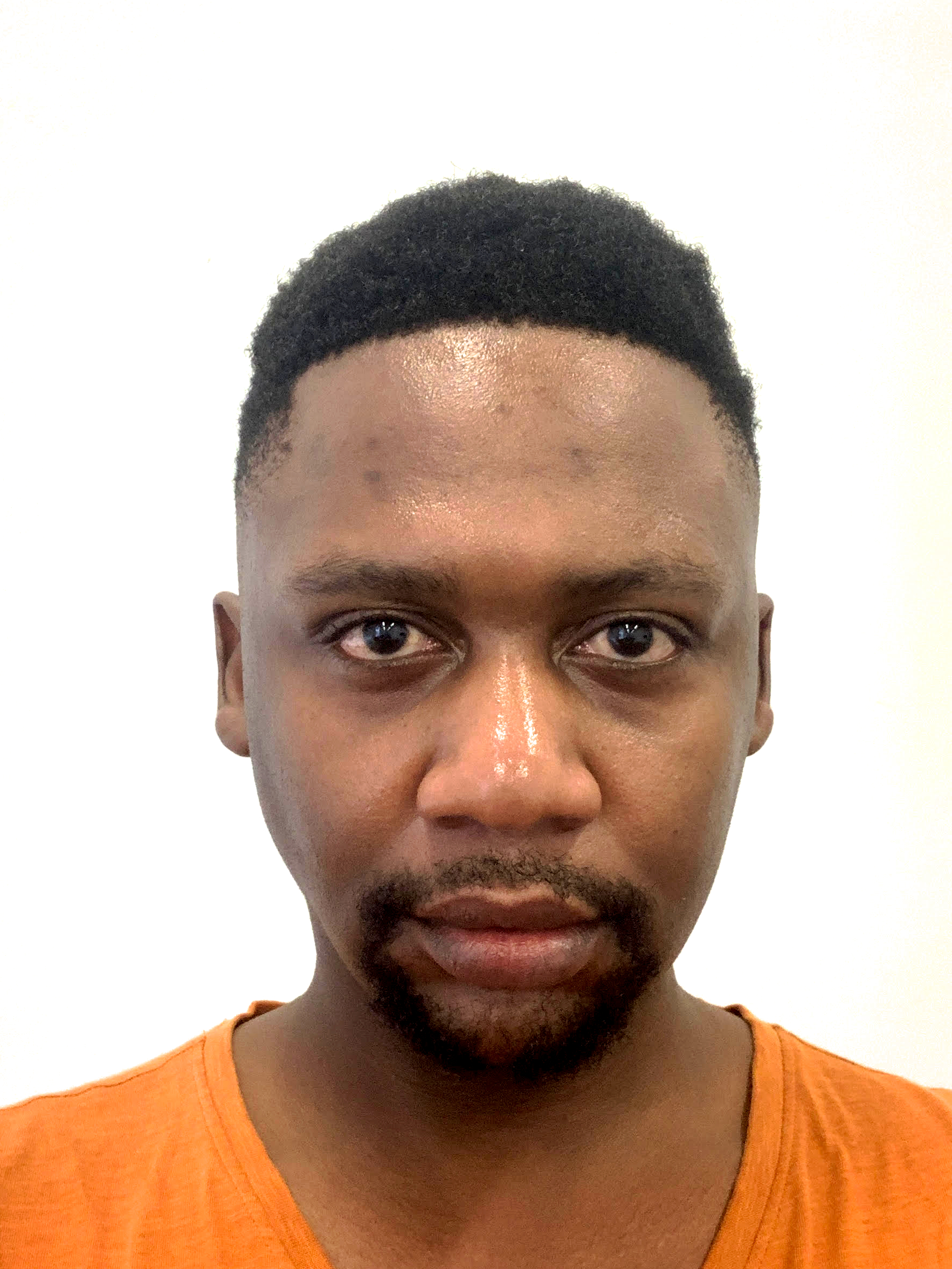
Sophakama Zabo
PhD Candidate
Sophakama Zabo focuses on designing peptide-based drugs for SARS-CoV-2 and investigating the complex biomolecular mechanisms of action of the virus. He utilizes computational techniques such as molecular dynamics (MD) and quantum mechanics/molecular mechanics (QM/MM) simulations to better understand the interactions and mechanisms between these protein targets and potential therapeutic peptides.
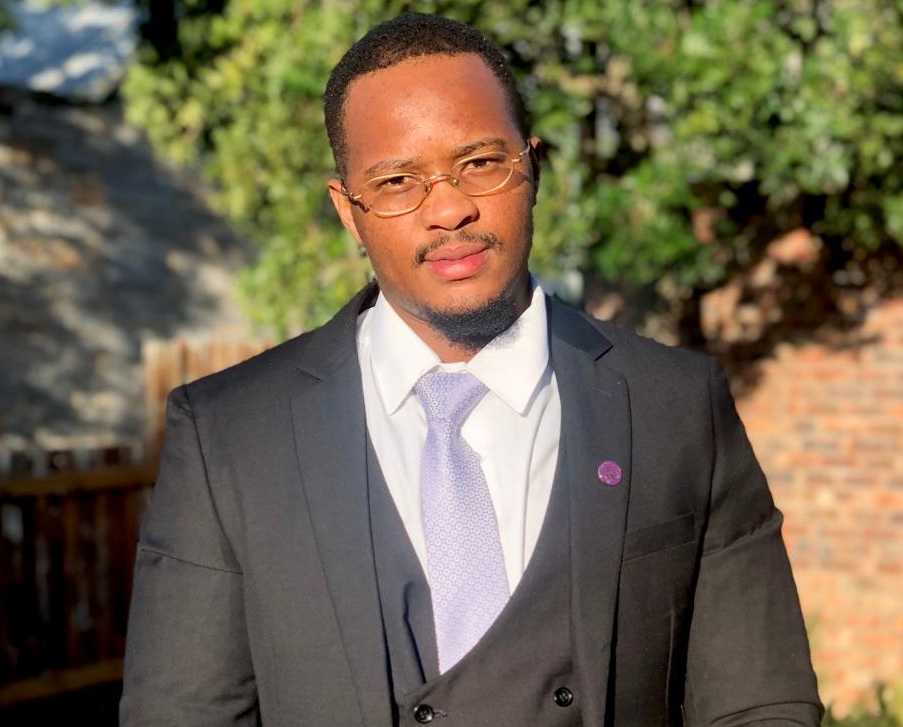
Mofeli Leoma
PhD Candidate
Mofeli Leoma focuses on developing novel approaches for generating compounds with optimal binding affinity towards cholesterol-targeted and membrane proteins. His work aims to design and optimize compounds that can interact effectively with these proteins.
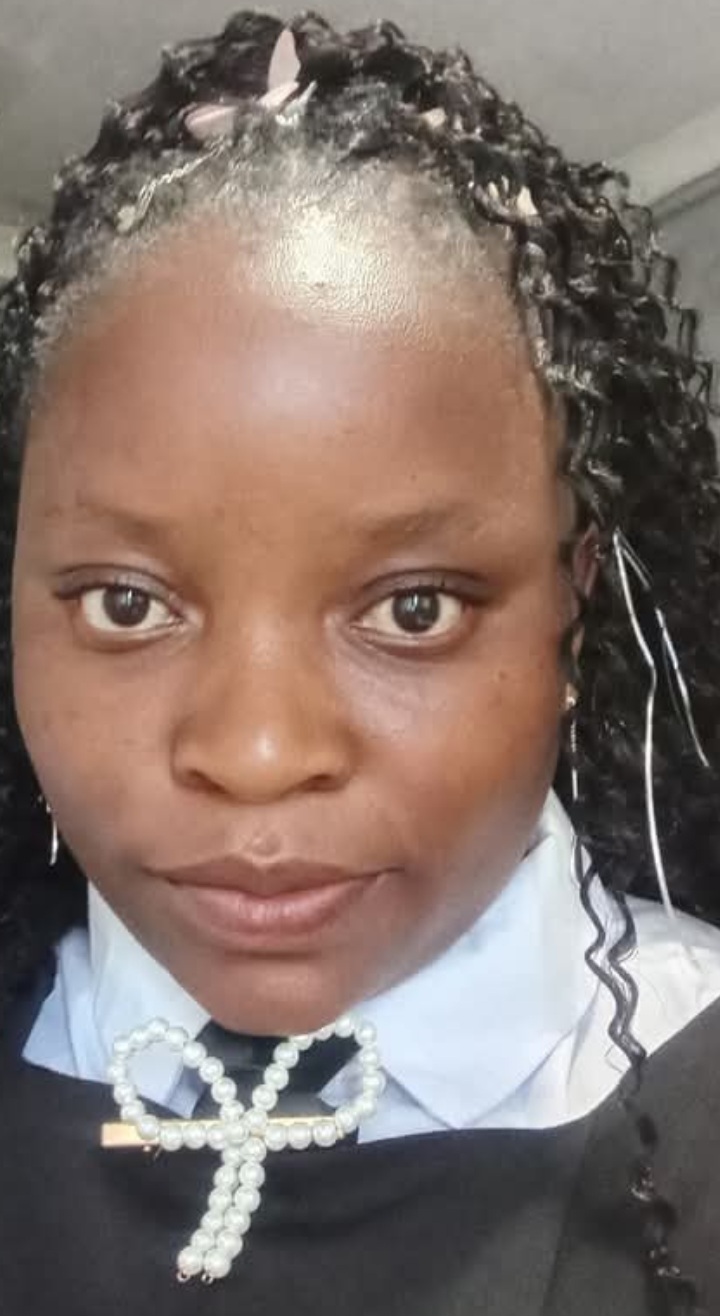
Normsa Taperevera
PhD Candidate
Normsa’s research focuses on minimizing anticancer drug resistance through the study of dual inhibitors and zinc-modulated inhibitors. Her work also explores the biocatalytic transformation of carcinogens, such as tobacco tar, into less harmful substances. She employs density functional theory (DFT), molecular docking, molecular dynamics (MD), and QM/MM methods.
MSc Students
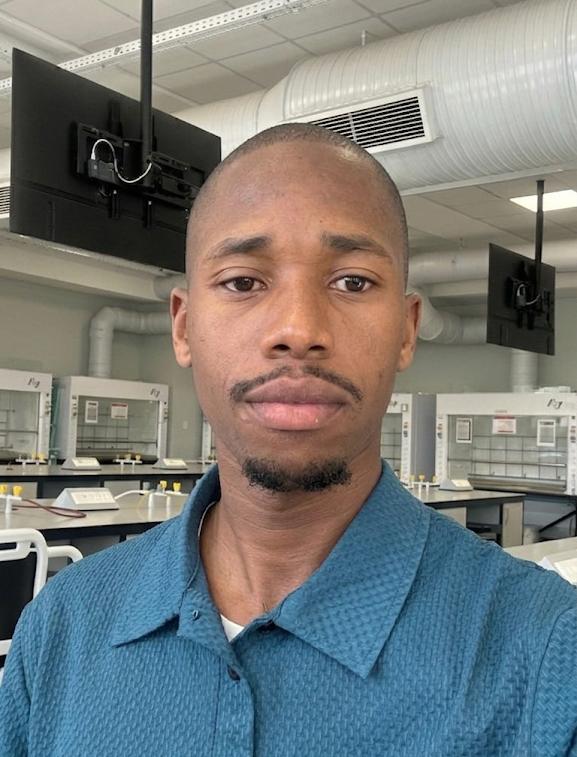
Menezi Tshaka
MSc Student
Menezi’s research focuses on the design and evaluation of metal-organic cages as selective hosts for cholesterol sequestration. He systematically analyses the structural, energetic, and electronic properties of these cages to identify stable systems with suitable cavity environments for cholesterol encapsulation. His aim is to establish rational design principles for effective cholesterol transport and removal at the molecular level.
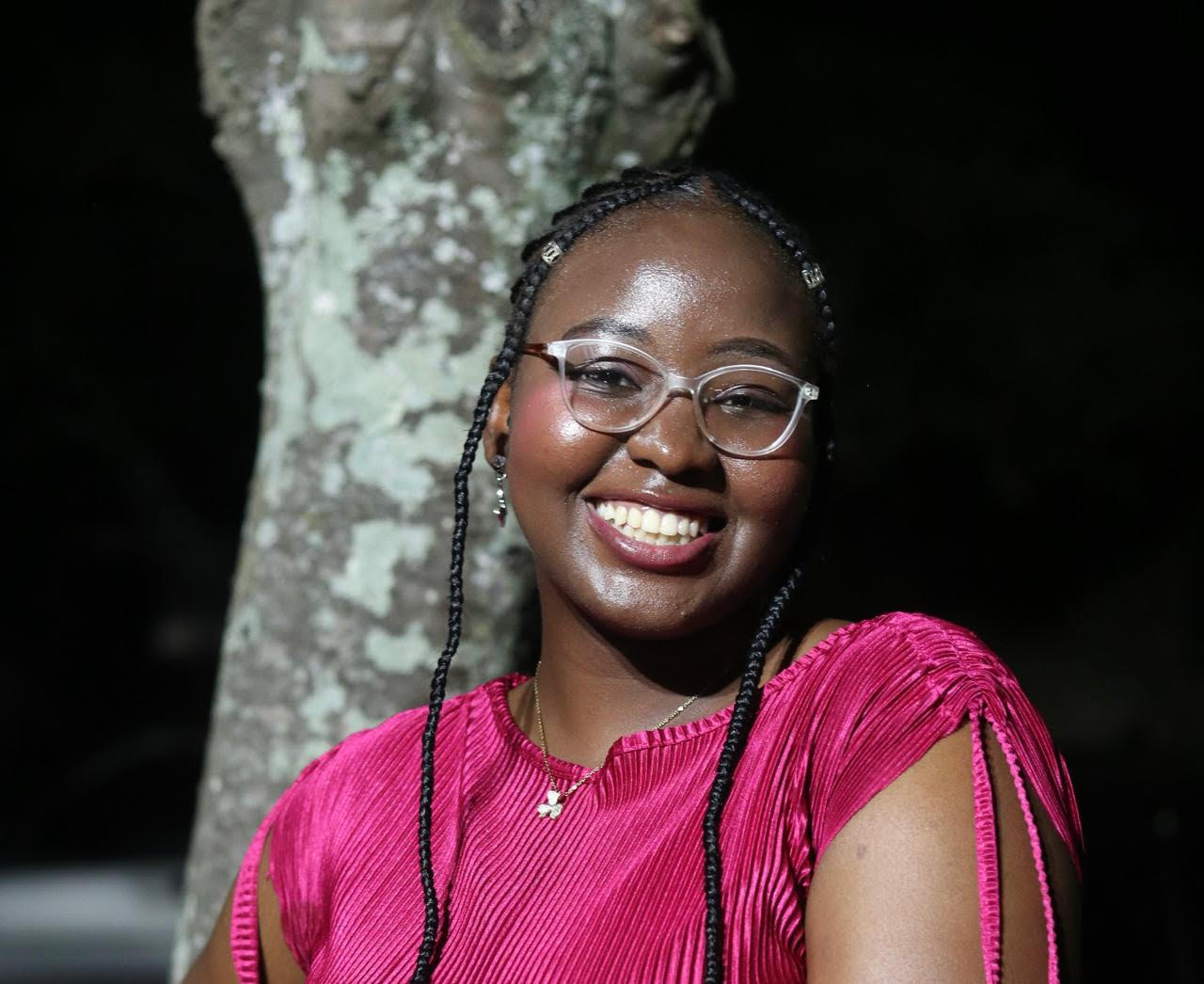
Deborah Akintola
MSc Student
Deborah’s research focuses on guaianolides, a class of sesquiterpene lactones, and their reported biological activities. Their interactions with enzyme targets are investigated using molecular docking and molecular dynamics simulations, with a particular emphasis on whether these compounds engage functionally important amino acid residues within known active-site motifs. This work aims to bridge the gap between computational predictions and biological relevance across multiple bioactivities.

Nololo Ntenda
MSc Student
Nololo’s research focuses on the design and in silico evaluation of isoniazid and ethionamide analogues to overcome drug resistance in Mycobacterium tuberculosis. Using molecular docking, molecular dynamics, and quantum-chemical methods, the study investigates how mutations in activating enzymes affect prodrug efficacy, with the aim of identifying compounds active against resistant TB strains.
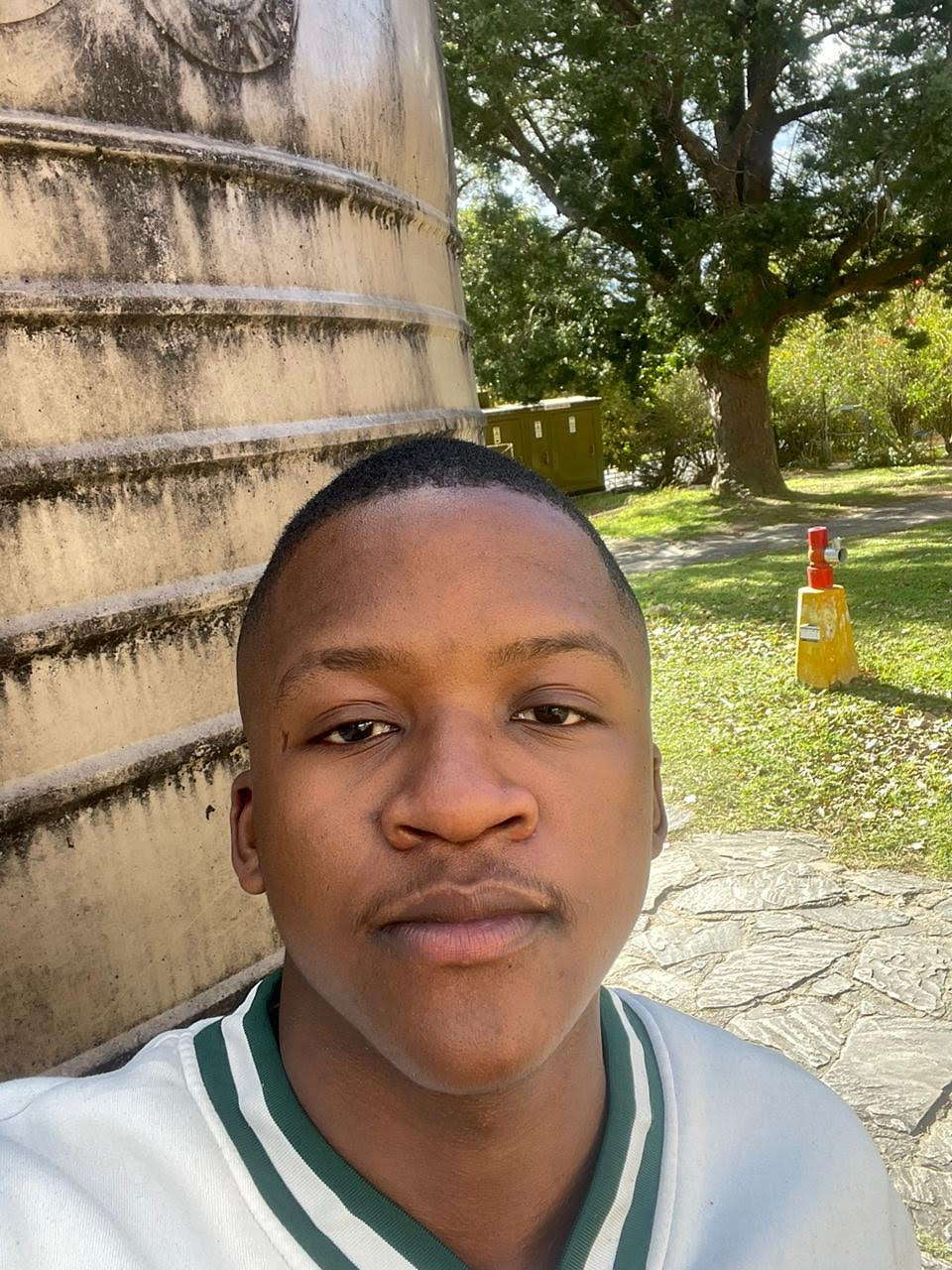
Luyolo Ndubela
MSc Student
Luyolo’s research focuses on how bacteria use their beta-lactamases to inhibit beta-lactam antibiotics like penicillin by attacking their beta-lactam rings. He uses molecular docking and molecular dynamics to assess how well beta-lactam antibiotics can bind to bacterial targets, with the goal of combating infections such as methicillin-resistant Staphylococcus aureus.
Honours Students

Zamampila Giwu
Honours Student
Epoxide-based drug design, covalent inhibitors, Falcipain-2 and Falcipain-3.
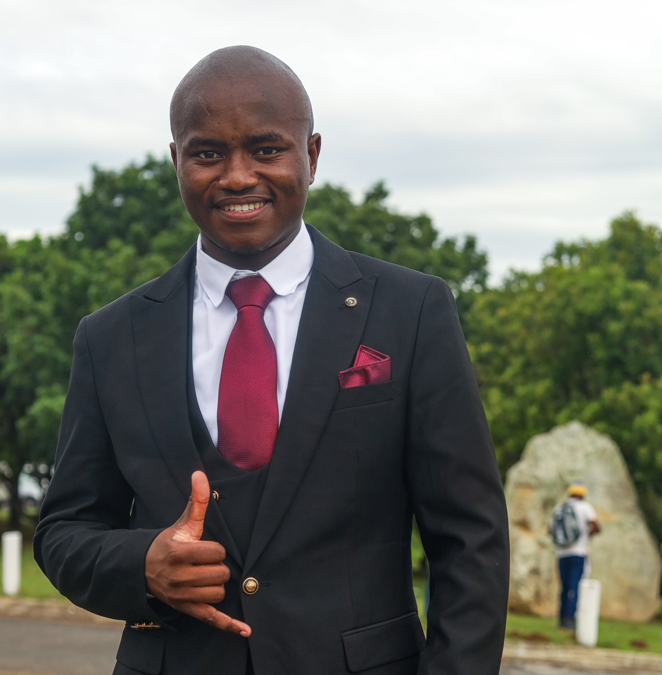
Qiniso Ndlovu
Honours Student
Machine learning, explainable AI, and DPP-4 inhibitor research.
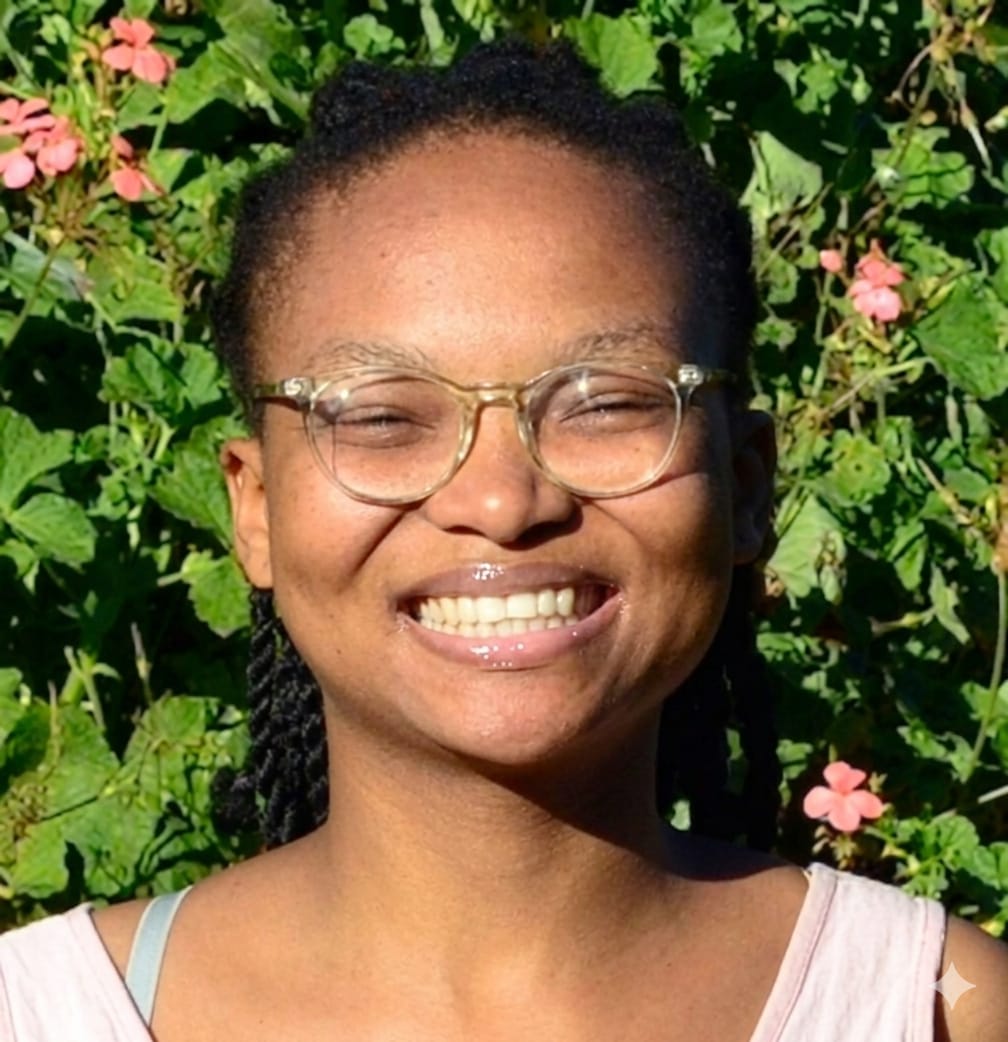
Sivuyisiwe Ntika
Honours Student
Drug repurposing, tyrosine kinase inhibition, and soft tissue leiomyosarcoma research.

Sesethu Ndiniso
Honours Student
Procaspase-3 activation, hybrid pharmacophores, and apoptosis induction.

Sibulele Mbusi
Honours Student
Aptamer drug-based research, structure prediction, and RNA–protein complex modeling.